Finish every module, pass the quiz, unlock 10% off
Module 1 of 4
What the sensor is
A powered anemometer that speaks RTS. After this module you can explain how it differs from the battery Eolis 3D.
3 lessons, then a scenario check.

Shade Motors School · Program It · 201
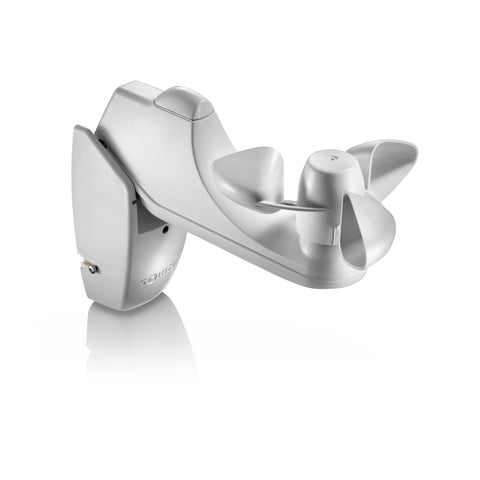
The Eolis RTS 24V is a powered wind sensor that sends RTS commands to awnings and screens. Learn how it is powered, how the wind threshold works, how to pair it, how many sensors and motors it can serve, and how to use it with a wired motor.
Pass the quiz to unlock 10% off your first ShadeMotorsDirect order. Your code and certificate arrive by email from Shade Motors School.
You will be able to: Power, set, pair and test an Eolis RTS 24V wind sensor on an RTS motor or a wired motor with a Universal RTS Receiver.
Inside this course
Finish every module, pass the quiz, unlock 10% off
Module 1 of 4
A powered anemometer that speaks RTS. After this module you can explain how it differs from the battery Eolis 3D.
3 lessons, then a scenario check.
What the sensor is
The Eolis RTS kit runs on 24V AC or DC at 25 mA. A class 2 transformer comes in the kit, and the cable to the supply can run up to 164 ft.
On the jobPlan the low-voltage run before the awning goes up.

What the sensor is
The sensor needs steady power, so it is not a battery part. The transformer is included.
Watch forDo not swap in a random adapter. Use the class 2 transformer from the kit.
What the sensor is
Unlike the Eolis 3D, which senses front bar movement, the Eolis RTS measures wind speed against a threshold you set.
ExampleA screen with no front bar to shake suits a wind speed sensor.
Check yourself
Hint: Wired vs battery.
The Eolis RTS 24V, which runs on a 24V transformer. The Eolis 3D WireFree runs on batteries.
Finish every module, pass the quiz, unlock 10% off
Module 2 of 4
What happens above and below the setting. After this module you can set the threshold and explain the delays.
3 lessons, then a scenario check.
The wind threshold
The threshold runs from 6 to 31 mph, set with a potentiometer on the sensor.
On the jobStart in the middle and adjust with the client.
The wind threshold
Above the threshold the sensor sends UP after 2 seconds and blocks all commands. After the wind drops, DOWN works after 30 seconds. The normal wind-clear delay is 12 minutes.
Watch forAn owner who cannot lower the awning during wind is seeing the block, not a fault.
The wind threshold
Turning the potentiometer fully clockwise sets demo mode: 6 mph with a 15 second delay. Do not leave the sensor in demo mode.
On the jobTest in demo, then set the real threshold before you leave.
Check yourself
Hint: The sensor waits.
After the wind drops, DOWN is possible after 30 seconds, and the normal clear delay is 12 minutes.
Finish every module, pass the quiz, unlock 10% off
Module 3 of 4
Two presses link the sensor to a motor. After this module you can pair, add and erase sensors.
3 lessons, then a scenario check.
Pair it
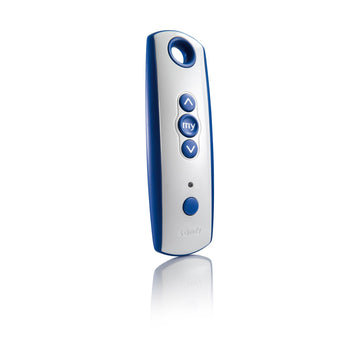
Hold PROG on a transmitter already paired to the motor for more than 2 seconds, until it jogs. Then briefly press PROG on the sensor. The motor jogs again.
On the jobKeep a paired remote in hand. The sensor cannot be paired without one.
Pair it
Up to 3 sensors can be paired to one motor, and one sensor can serve several motors.
ExampleA row of three awnings on one wall can share one Eolis RTS.
Pair it
The instructions say DOWN must match DOWN. If the motor direction is reversed, the wind retract will go the wrong way.
Watch forCheck direction on the remote before you pair the sensor.
Check yourself
Hint: Read the limits.
One can serve all three, since one sensor can serve several motors.
Finish every module, pass the quiz, unlock 10% off
Module 4 of 4
How a wired awning motor gets wind protection. After this module you can quote the receiver path.
3 lessons, then a scenario check.
Wired motors and the receiver
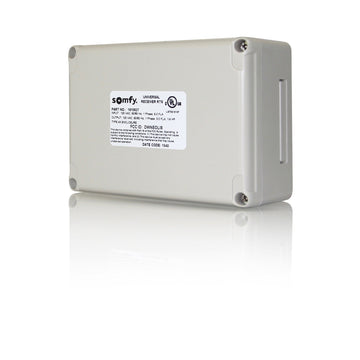
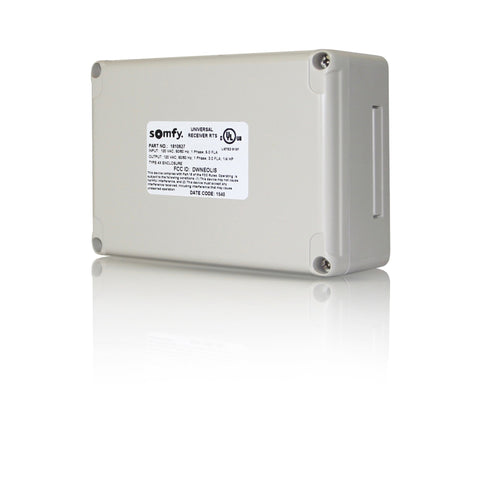
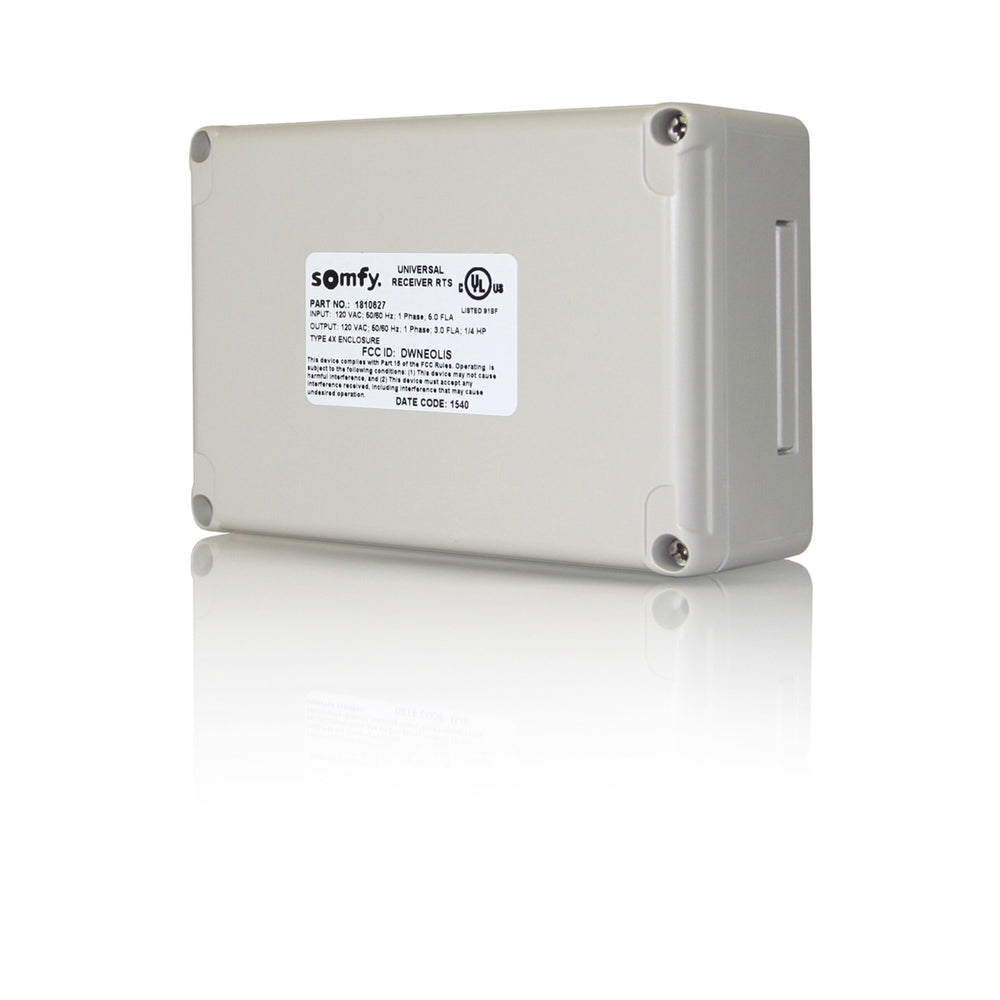
The Universal RTS Receiver (1810627) gives RTS capability to Somfy 110V AC motors. Somfy lists it with RTS sensors such as Eolis, Soliris and Sunis.
On the jobPair a remote to the receiver first, then pair the sensor through it.
Wired motors and the receiver
Somfy rates the receiver IP66 and class II, at 108 to 132 V. The output contact is 115V AC, 0.5 A max.
Watch forCheck the motor current against the 0.5 A output.
Wired motors and the receiver
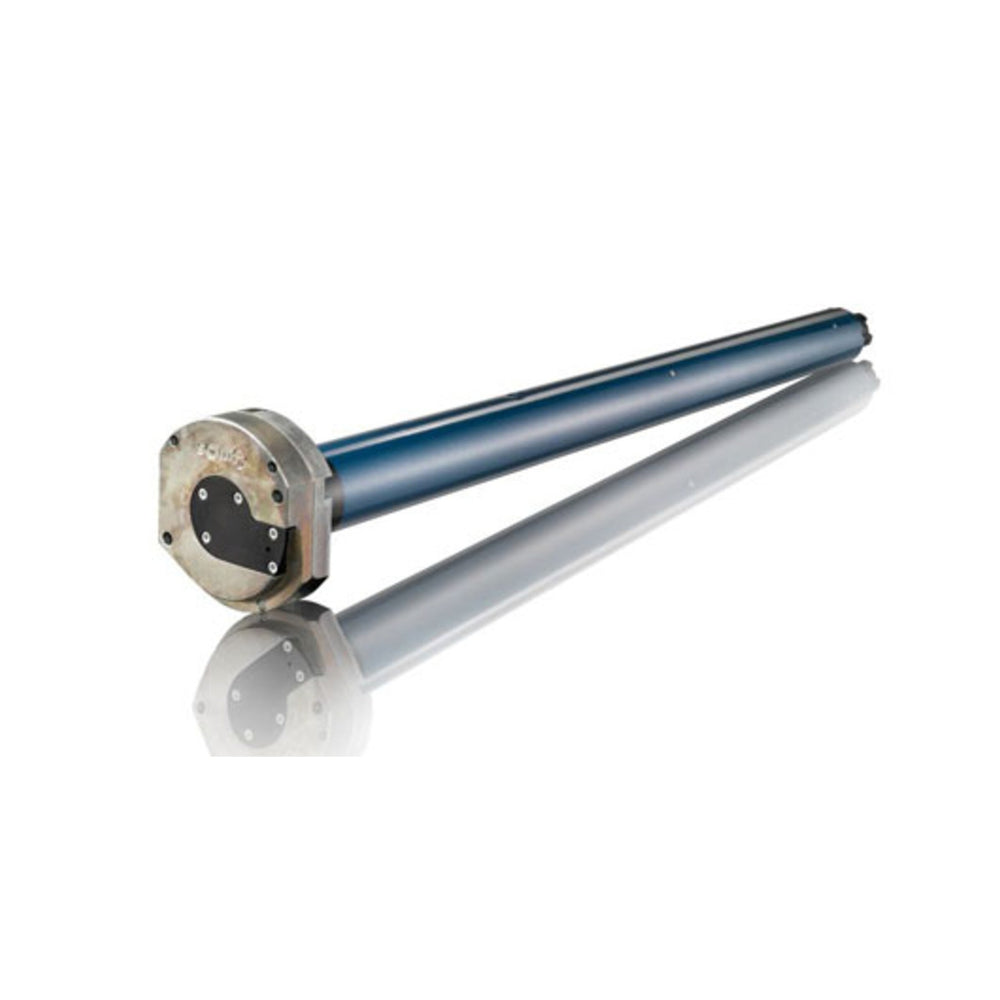
An RTS awning motor such as the Sunea CMO RTS 550R2 (1118210) needs no receiver. The sensor pairs straight to it.
ExampleA new Sunea awning gets the sensor on day one with no extra box.
Check yourself
Hint: It needs RTS first.
A Universal RTS Receiver 1810627, which gives RTS to Somfy 110V AC motors.
Final quiz
Each question is a real job scenario, one per screen. Stuck? Tap the hint. You see the right answer and why right after you choose. Pass and you get a printable certificate.
Score 80% to unlock 10% off your first ShadeMotorsDirect order.
Question 1 of 10
On the job: You plan power.
Hint: Wired.
Somfy lists 24V AC/DC at 25 mA with a class 2 transformer.
Question 2 of 10
On the job: The supply is far from the sensor.
Hint: Somfy gives a figure.
Somfy lists up to 164 ft.
Question 3 of 10
On the job: You set the threshold.
Hint: Potentiometer.
Somfy lists 6 to 31 mph.
Question 4 of 10
On the job: Wind passes the threshold.
Hint: Protect the awning.
Somfy lists UP after 2 s and a command block.
Question 5 of 10
On the job: The potentiometer is fully clockwise.
Hint: Test setting.
Somfy calls it demo mode.
Question 6 of 10
On the job: You start pairing.
Hint: Until the jog.
The instructions give more than 2 s.
Question 7 of 10
On the job: A motor already has 3 sensors.
Hint: Read the limit.
Somfy allows up to 3 sensors per motor.
Question 8 of 10
On the job: You want to erase every sensor.
Hint: On the sensor.
The instructions give over 7 s on the sensor PROG.
Question 9 of 10
On the job: A wired 110V Somfy awning motor needs wind protection.
Hint: Add RTS.
1810627 gives RTS to Somfy 110V AC motors.
Question 10 of 10
On the job: You check the receiver output.
Hint: Small contact.
Somfy lists 115V AC 0.5 A max.
Almost done
Your score shows on the next screen. If you pass, your certificate and 10% code go to this email. They come from Shade Motors School (school@shademotorsdirect.com). Check Promotions, Updates or Spam if you don't see them.
Parts used in this course
Parts used in this course
Your cart is currently empty.
Not sure where to start? Try these collections: